What Does Lab Grown Diamonds Do?
Table of ContentsExamine This Report on Lab Grown DiamondsThe 5-Second Trick For Lab Grown DiamondsLab Grown Diamonds - An OverviewNot known Details About Lab Grown Diamonds
As you travel closer to the Earth's core, pressure and temperature level rise, which creates the perfect oven for carbon to be converted into ruby (diamonds are the only gems to be made from purely one element). Via a substantial volcanic eruption, these rubies were moved to the Planet's surface. It's estimated this process was relatively fast (most likely throughout several hours), which allowed the diamonds to stay intact without melting.The short response: carat weights gauge the mass of rocks, karats determine the purity of gold. Carat weight: 1 carat weight is equivalent to 0.2 grams, about the weight of a paperclip (next time you see a photo of Mariah Carey's 35 carat involvement ring, just envision the worry of lugging 35 paper clips around your finger on a daily basis).
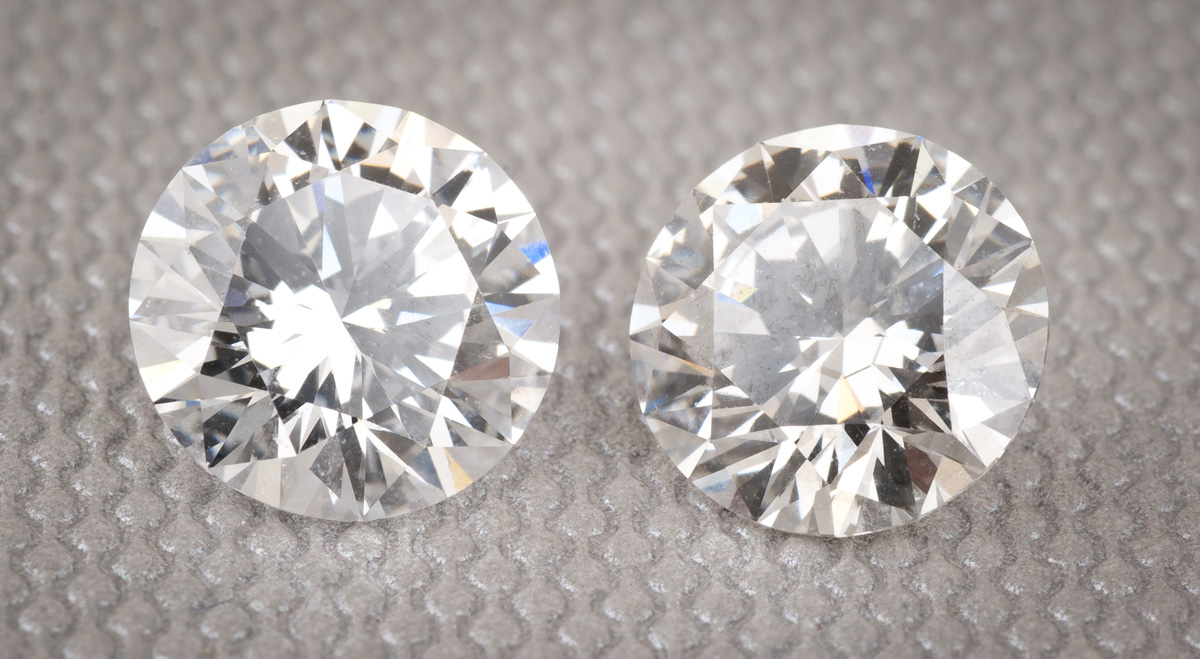
Here are a few of the vital advantages of laboratory expanded diamonds and laboratory grown ruby jewelry:.
The Best Strategy To Use For Lab Grown Diamonds
Simply put, natural or earth-mined diamonds are crafted over countless years under the Earth's crust from pure carbon integrated with pressure and warm. Producing diamonds in a laboratory requires the same procedure, simply fine-tuned to take area over a much smaller sized timespan in a far more regulated setup.
Whereas earth-mined diamonds are rare and finite and tend to increase in rate over time, lab diamonds are readily available., like lab-grown ruby rings, they won't be an excellent fit for your needs.
They might believe that the cons of lab-grown diamonds surpass the pros. Some may say that, for this factor, getting a lab-made diamond additionally comes with its ethical factors to consider, as doing so takes earnings away from those involved in the all-natural ruby market that might need it most.
Typical diamonds count on the Earth's problems to identify their quality or lack thereof. Yet in a lab, suppliers can directly manage a diamond's top quality. Yes, there are moral and environmental considerations with both extracted and manufactured rubies. Suppose your budget plan just enables you to purchase certain shades or cuts of all-natural rubies.
Unknown Facts About Lab Grown Diamonds
You can easily find tinted, manufactured diamonds on the (relatively) more tips here inexpensive side as well as specific cuts that would certainly be more expensive if you were shopping for a mined ruby just. That barely indicates it isn't worth securing.
natural diamonds is that the last is mined from natural down payments in the Earth while the previous is made in a lab utilizing regulated settings. But their high quality is mostly the same. Lab Grown Diamonds. While the distinction in between lab-grown and natural diamond alternatives are very little when it involves quality, some of the drawbacks of lab-grown rubies include the reality that the rock will diminish in time and, to some, an absence of sentimental value that's typically related to extracted rubies
The procedure entails minimal land disruption and eliminates concerns associated to deforestation and environment damage. Lab-grown rubies are typically a lot more inexpensive than natural diamonds. This cost difference can be credited to the structured manufacturing process and the avoidance of costs linked with standard mining. The Controlled Setting in Which Lab Grown Diamonds Are Created Permits Consistent High Quality.
Adaptability in Style - Lab Grown Diamonds Offer Developers and Consumers a Versatile Combination to Create Unique and Ingenious Fashion Jewelry Designs - Lab Grown Diamonds. Lab Diamonds Typically Come with An Even More Clear Supply Chain.
Little Known Facts About Lab Grown Diamonds.
Market Perception - Regardless Of Their The my response Same Physical Characteristics, Laboratory Diamonds May Face Tests in Market Understanding. Some Consumers Still Perceive Natural Diamonds as Having Greater Value and Prestige. The Manufacturing of Lab-Grown Diamonds Can Be Energy-Intensive, Specifically in Approaches Like High Pressure High Temperature level (hpht) and Chemical Vapor Deposition (cvd).
Natural Diamonds Are Formed Over Numerous Years Deep Within the Planet, Contributing to Their Viewed Rarity. Lab-Grown Diamonds, In Spite Of Their The Same Characteristic, Might Not Bring the read the article Very Same Rarity Factor, Affecting Their Regarded Value for Some Customers. Effect On Diamond-Dependent Economic Climates - the Change Towards Laboratory Grown Diamonds Might Have Economic Effects for Nations and Areas that Depend on The Diamond Mining Sector.
:max_bytes(150000):strip_icc()/BRI-Lab-Grown-Diamonds-Graphic-d9ca3ef795964c45877ff39d82f8d679.jpg)
Laboratory Rubies Are of Equal High Quality to Natural Diamonds in Terms of Solidity, Radiance, and Quality - Lab Grown Diamonds. Yes, Laboratory Diamonds Sparkle Simply Like All-natural Diamonds. Their Radiance and Shimmer Are an Outcome of Their Cut and The Means Light Engages with Their Facets.